I keep seeing "car care insurance" pitched as peace of mind, but I want proof, not slogans. Some protection helps - to a degree - yet not all plans earn their keep. Here's how I sort substance from fluff before spending another dollar.
What it actually covers
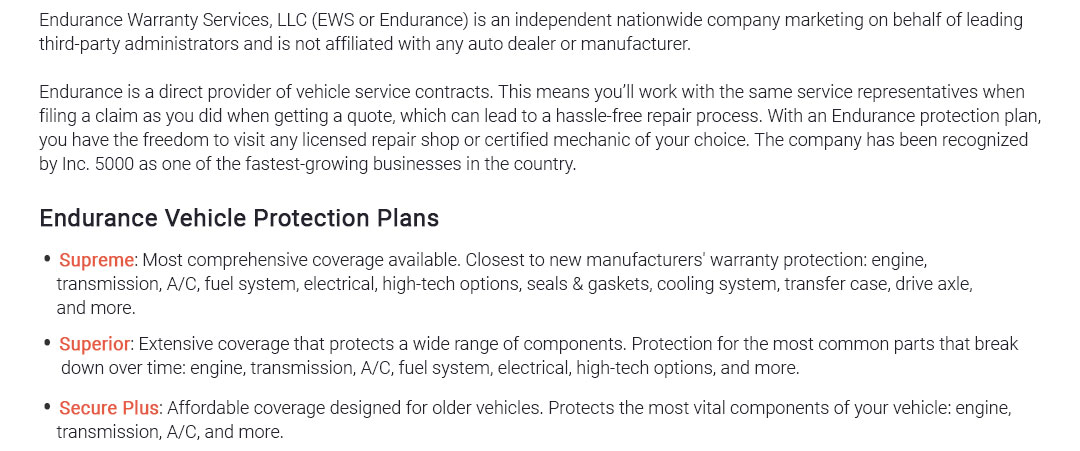
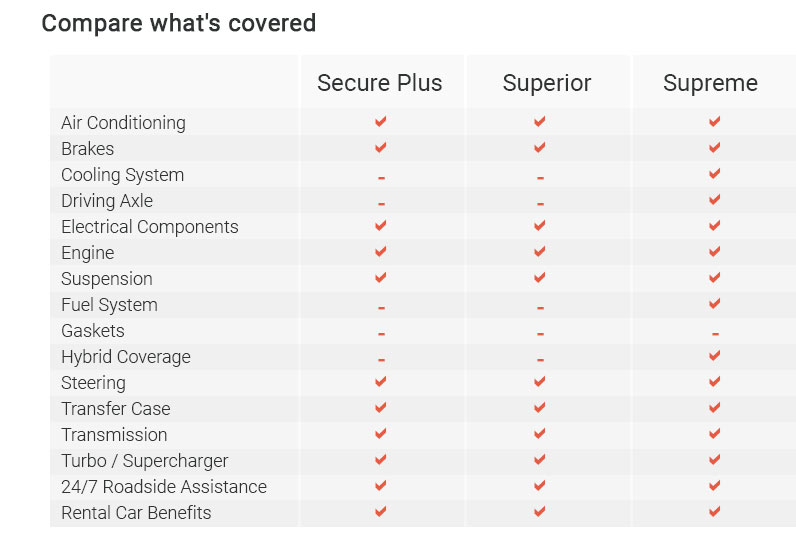
Mechanical breakdowns after the manufacturer warranty, like engine, transmission, or electrical system failures.
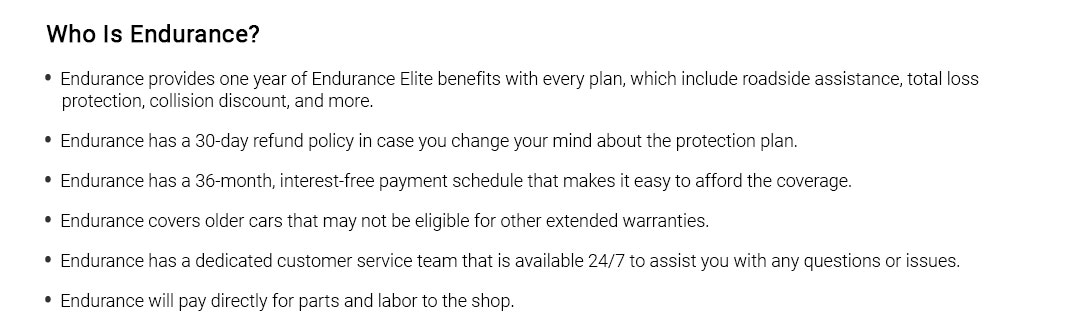
Roadside assistance add-ons: towing, jump-starts, lockouts. Handy, not magical.
Specific wear events if explicitly named: e.g., a covered wheel repair from a road hazard. The fine print decides.
Rental car or trip-interruption benefits, sometimes modest.
What it usually doesn't cover
Routine maintenance: oil, filters, wiper blades, tires (normal wear), brake pads, and alignment - unless a separate maintenance plan, which is not the same policy.
Pre-existing conditions, modified parts, or neglect (missed services).
Cosmetic issues: paint scratches, dings, squeaks, and "it just feels off."
Aftermarket accessories unless listed; fluids unless tied to a covered repair.
Costs vs benefits: a quick way to sanity-check
Add the premium + expected deductibles + likely fees over the full term.
Estimate realistic failures for your car's age/mileage (owner forums and reliability data help).
Assign rough costs to those failures and multiply by their probability - imperfect, but better than guessing.
Compare totals. If the policy's all-in cost is near or above your expected losses, self-funding may be smarter.
Factor the non-financial bit: stress reduction has value, albeit mostly subjective.
Quiet moment, real life: last winter I watched a coworker's alternator die in a grocery lot. His plan covered the tow and most repair labor; he still paid a $200 deductible. Not heroic, just efficient - and it saved him scrambling cash on a cold Sunday evening.
Comparing plans without getting boxed in
Key clauses to read twice
Named exclusions: "wear and tear," "overheating," or "commercial use" can void a lot.
Pre-authorization: if you fix first and call later, some providers will deny.
Parts quality: OEM vs aftermarket; remanufactured allowed; price caps per component.
Network rules: can you use your trusted shop, or must you use theirs?
Limits: per-visit, per-component, and lifetime caps. Small numbers sting.
Waiting periods and inspection requirements.
Transferability and prorated refunds if you sell the car or cancel.
Numbers that matter
Deductible per visit vs per repair - per repair is harsher.
Labor rate caps vs local shop rates; the gap becomes your problem.
Coverage term: months and miles; whichever comes first wins (for them).
Claims: from breakdown to payout
Stop and call the claims line before work starts; get a claim number.
Shop diagnoses and sends estimate; insurer approves or trims.
You pay the deductible and any uncovered amounts (fluids, shop supplies, rate gaps).
Provider pays the shop directly, or reimburses you after paperwork.
Red flags I watch for
Vague marketing like "complete coverage" without a sample contract.
High-pressure sales or "this price expires today." It probably doesn't.
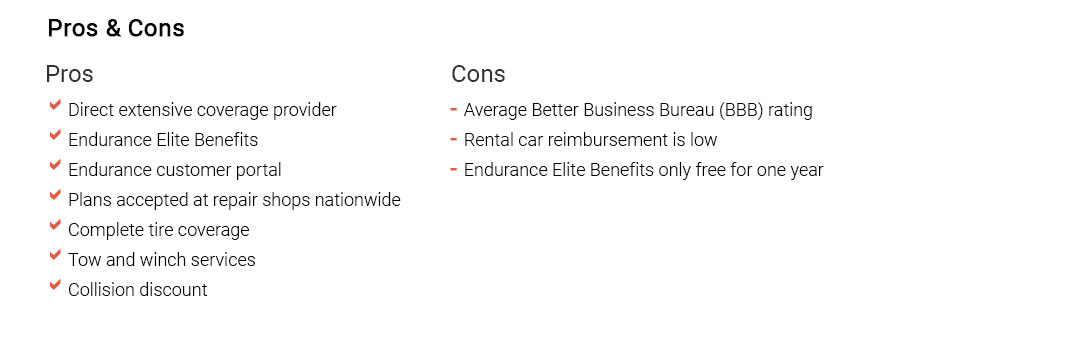
Googleable complaint patterns about denials or unreachable support.
Mandatory add-ons that inflate cost with little benefit.
Who might benefit
Owners of complex, out-of-warranty vehicles where a single failure is budget-busting.
Drivers who value predictable costs and 24/7 support more than maximizing expected value.
People with limited emergency funds who still need their car daily.
Alternatives that sometimes beat a policy
DIY reserve: auto-transfer a monthly amount into a repair fund; you keep the "premium."
Manufacturer extended warranty (if still eligible); coverage tends to be clearer.
Roadside-only membership if that's the piece you actually want.
Preventive maintenance and documented service - unflashy, but it averts failures.
Decision snapshot
If a plan is transparent, priced below your realistic risk, and works with your preferred shop, it can be worth it - almost conservative, even. If not, a disciplined repair fund plus a basic roadside plan is simpler, cheaper, and - quietly - more empowering. I remain skeptical, but I'm not closed off; solid terms and steady support do win me over.
https://www.farmers.com/auto/
More coverage options. You can also add medical payments, rental car, rideshare, windshield repair/replacement and other specialty coverages. Learn about more ...